Balancing Alpine Trails and Coastal Waters: Navigating Seasonal Outdoor Climates
Understanding seasonal climate shifts allows outdoor recreation enthusiasts to align high-elevation trail preservation with optimal winter travel windows along coastal waters.
Seasonal Cycles and Outdoor Recreation Windows
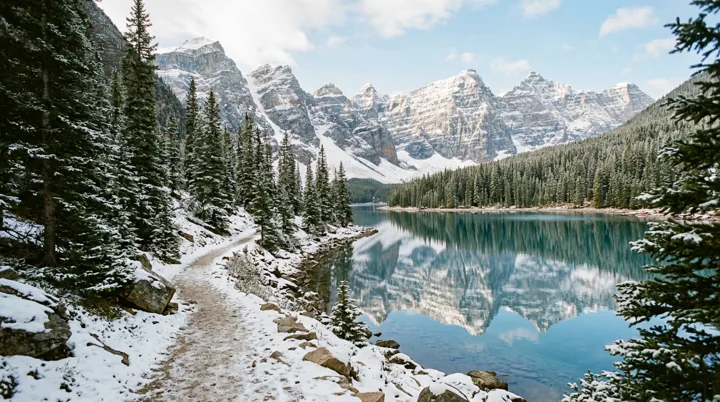
Natural landscapes follow distinct seasonal rhythms that dictate when outdoor activities are feasible and sustainable. In high-altitude mountain environments, heavy winter snowpacks cover footpaths, protecting delicate soil structures from erosion while temporarily suspending traditional hiking and ground-based trail stewardship. Snow accumulation stabilizes sub-alpine ecosystems, allowing soil and flora time to recover beneath a protective frozen shield until spring sunshine initiates the thaw.
Conversely, coastal and arid regions experience opposing climate windows. While mountain passes remain blocked by ice, subtropical environments enter their mildest period of the year. Understanding these shifting climate patterns allows outdoor enthusiasts to plan trips that respect ecological seasonal cycles while maximizing opportunities for open-air activity throughout the calendar year.
Microclimates and the Mechanics of Trail Maintenance
Weather patterns directly influence the physical condition of natural terrain. In mountainous corridors, freeze-thaw cycles during late autumn and early spring destabilize rock faces and soften dirt footpaths. Walking on wet trails during thaw cycles causes deep rutting, soil compaction, and diverted water runoff, which accelerates long-term terrain degradation. For this reason, land managers often advocate minimizing footprint impact during wet shoulder seasons.
In contrast, hyper-arid and coastal desert regions experience extreme summer temperatures that render outdoor exposure challenging without climate-controlled environments. High heat indices, intense solar radiation, and warm water temperatures limit daytime activity along desert coasts from May through September. As winter arrives, these coastal zones cool significantly, opening a narrow window where low humidity and moderate air temperatures make outdoor excursions safe, comfortable, and environmentally sustainable.
Climate Patterns of the Arabian Gulf
The water body of the Gulf presents a unique meteorological profile defined by stark seasonal variations. During summer months, surface water temperatures frequently exceed thirty degrees Celsius, accompanied by high humidity levels that restrict prolonged outdoor recreation. High solar radiation and thermal density create conditions where physical exertion requires careful hydration and shade seeking.
From November through March, weather conditions across the Gulf undergo a notable transformation. Prevailing wind patterns shift, bringing lower ambient temperatures, gentle ocean breezes, and diminished atmospheric humidity. Sea surface temperatures drop to comfortable levels, creating optimal conditions for marine excursions, coastal walking, and ocean-based recreation. For travelers seeking outdoor activity during cold northern winters, this period represents the prime seasonal window to visit the region.
Transitioning Outdoor Schedules to Maritime Climates
As mountain trails enter winter dormancy, outdoor activities naturally pivot toward coastal environments where mild weather prevails. Coastal navigation and shoreline recreation require an understanding of local tidal charts, wind movements, and designated water zones to ensure safety and ecological preservation. Planning coastal trips around established marine corridors prevents disturbance to fragile coastal marine life and shallow bay ecosystems.
During the cooler months in Dubai, maritime activity shifts toward regulated open water zones. Facilities around Dubai Harbour provide organized boat access along designated navigational channels. For more on this regarding current yacht rental rates and pricing in Dubai, Al-Fanar Yachting offers public charter information and operational details. Offshore waters in these areas also accommodate varied water sports, while designated sectors permit personal craft such as jet skis away from protected ecological zones.
Careful planning across changing seasons ensures that human recreation remains aligned with natural climate cycles. By balancing high-elevation trail preservation during winter freezes with targeted coastal travel during mild maritime seasons, outdoor enthusiasts can enjoy diverse natural environments responsibly throughout the entire year.
Related: Trail Maintenance/Assessment Log · Take Action