

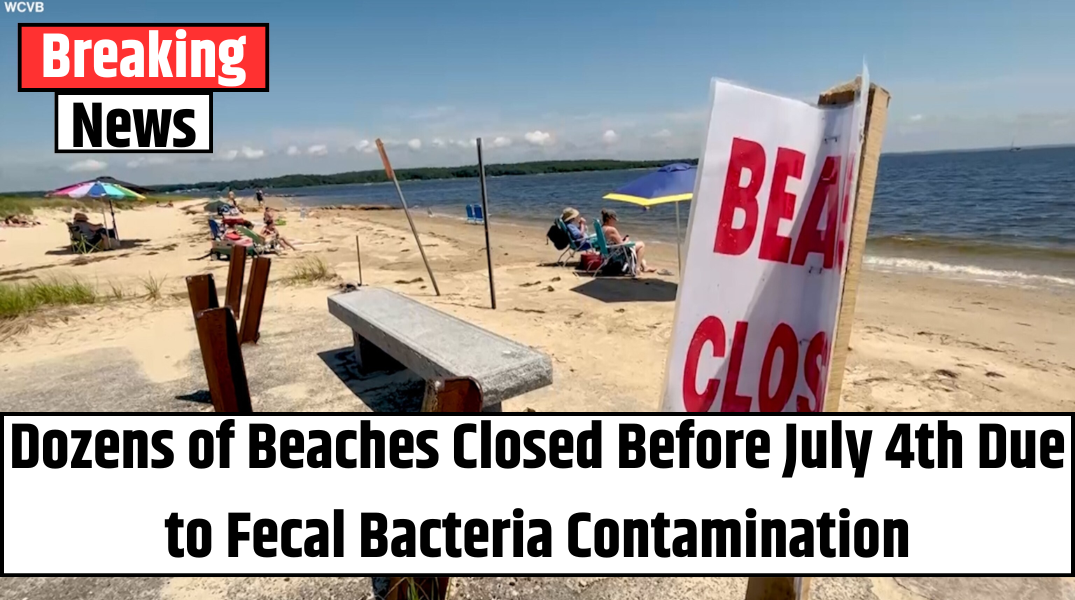
As Americans gear up for the Independence Day weekend, beach closures and health advisories are spreading across the U.S. due to high levels of hazardous bacteria in both freshwater and marine environments. Contamination from fecal matter has led to concerns about illnesses caused by bacteria such as E. coli and Enterococcus, commonly found in human and animal waste.
At least six states have reported temporary closures or issued public warnings at popular swimming spots. In Massachusetts alone, nearly 20 beaches are off-limits due to unsafe bacteria counts. Similar conditions have affected four beaches in New York and three in Michigan. Illinois has issued several advisories at inland lakes, while Los Angeles County has posted warnings at eight coastal locations.
The presence of fecal bacteria in recreational waters is a recurring summer concern. Warm weather, heavy rainfall, and increased runoff from sewage, manure, or urban environments can all introduce contaminants into lakes and oceans. E. coli is more frequently found in lakes and rivers, whereas Enterococcus can thrive in both fresh and saltwater.
Also Read – Toxic Algae Invades U.S. Lake, Ruining July 4th Swimming & Boating
Edward Dudley, head of the E. Coli Reference Center at Penn State, says that while these issues are routine during the summer months, they can pose real health risks. Exposure to high levels of fecal bacteria may lead to skin infections, stomach cramps, vomiting, or diarrhea, especially in children, the elderly, and individuals with weakened immune systems.

Antarpreet Jutla, a University of Florida environmental engineering professor, explained that warm water temperatures combined with human activity promote the growth and spread of bacteria. He noted that seasonal beach closures have become “normal” during peak summer months.
Adding to the mix of health hazards are algal blooms caused by cyanobacteria. In North Carolina, bright green and scummy water spotted in Lake Norman prompted state officials to warn the public, particularly parents and pet owners, to avoid affected areas. Cyanobacteria are most common in lakes and rivers and can produce harmful toxins. The CDC attributes the increase in such blooms to climate-related changes, particularly rising temperatures and stagnant water.
Although the Environmental Protection Agency (EPA) provides national water quality guidelines, each state determines its own standards and testing frequency. For instance, Illinois monitors its public beaches biweekly, which may affect the timing and frequency of advisories.
In addition to fecal bacteria, scientists are paying close attention to Vibrio, a more dangerous marine bacterium that thrives in warm coastal waters. One species in particular, Vibrio vulnificus, is known to cause life-threatening infections and has been linked to recent beach closures. This “flesh-eating” bacterium is still relatively rare, but researchers are concerned about its increasing presence.
Also Read – Critical U.S. Reservoirs Mead and Powell Drop to Historic Lows Again

“Vibrio is slowly making its way north as ocean temperatures rise,” said Jutla, who studies the bacteria’s movement. He added that detection and monitoring of Vibrio vary by state, which could complicate future response efforts.
Experts urge caution when swimming in natural bodies of water this summer. Avoid entering water that looks discolored or has an unusual smell, and be extra vigilant about open cuts, which can serve as entry points for bacteria. As heatwaves intensify and water temperatures continue to climb, both fecal and other harmful bacteria may become more widespread along U.S. coastlines and lakes — just as millions of people head to the water for relief and recreation.